


Comprehensive Guide to Planning Retirement in Malta
Retiring in a beautiful Mediterranean country is a dream for many. Malta, with its warm climate, rich history, and welcoming culture, offers an ideal setting for those looking to enjoy their golden years. This guide will walk you through everything you need to know about planning retirement in Malta, from practical considerations to lifestyle benefits.
Planning Retirement in Malta: What You Need to Know
When considering retirement in Malta, it is essential to understand the practical aspects that will affect your daily life. Malta offers a high standard of living, excellent healthcare, and a relatively low cost of living compared to other European countries.
Residency and Visa Requirements
To retire in Malta, you will need to obtain the appropriate residency status. EU citizens can move freely and apply for residency after three months of stay. Non-EU citizens must apply for a residence permit, which often requires proof of income, health insurance, and accommodation.
Healthcare System
Malta has a robust healthcare system, including public and private options. Retirees can access public healthcare services through the Maltese Health Service, which is funded by taxes. Private healthcare is also available and often preferred for shorter waiting times and specialist care.
Cost of Living
The cost of living in Malta is moderate. Housing costs vary depending on location, with popular areas like Sliema and St. Julian’s being more expensive. Groceries, utilities, and transportation are generally affordable, making Malta an attractive option for retirees on a fixed income.
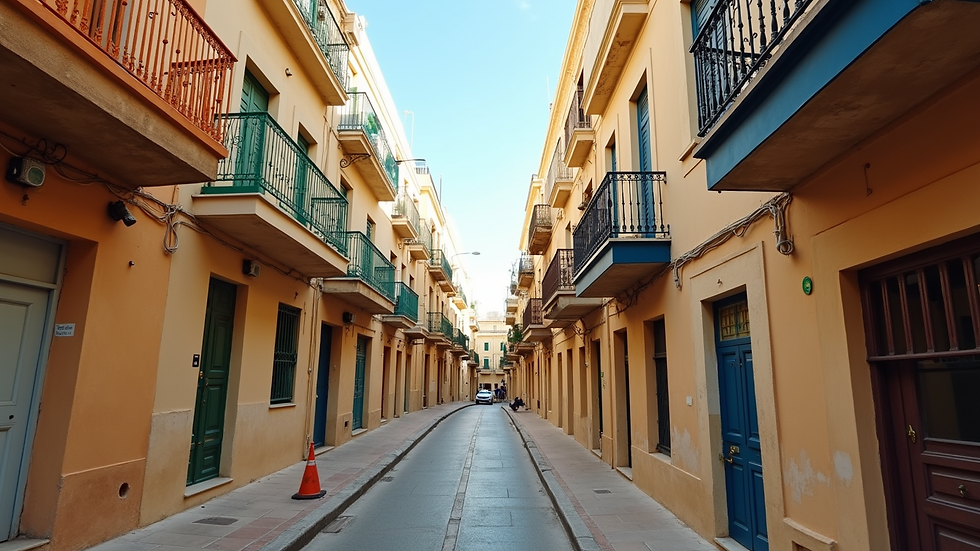
Lifestyle and Leisure Activities in Malta
Malta offers a vibrant lifestyle with plenty of activities to keep retirees engaged and entertained. The island’s rich cultural heritage, beautiful landscapes, and social opportunities make it a great place to enjoy retirement.
Outdoor Activities
With over 300 days of sunshine a year, outdoor activities are a major draw. Walking along the scenic coastal paths, swimming in crystal-clear waters, and exploring historical sites like Mdina and the ancient temples are popular pastimes.
Social and Cultural Life
Malta has a lively social scene with numerous clubs, community centers, and events tailored for retirees. The local festivals, art exhibitions, and music concerts provide ample opportunities to meet new people and immerse yourself in Maltese culture.
Dining and Cuisine
Maltese cuisine is a delightful blend of Mediterranean flavors. Retirees can enjoy fresh seafood, local cheeses, and traditional dishes like rabbit stew and pastizzi. The island’s cafes and restaurants offer a variety of options to suit all tastes and budgets.
Why do Americans retire in Malta?
Many Americans are drawn to Malta for retirement due to its unique combination of benefits. The English-speaking environment makes communication easy, while the island’s strategic location offers convenient travel options to Europe and North Africa.
Tax Benefits and Financial Considerations
Malta has attractive tax policies for retirees, including favorable income tax rates and exemptions on foreign pensions under certain conditions. This financial advantage, combined with the relatively low cost of living, makes Malta a smart choice for American retirees.
Safety and Quality of Life
Malta is known for its safety and friendly communities. The low crime rate and excellent healthcare system provide peace of mind for retirees. Additionally, the island’s relaxed pace of life and beautiful surroundings contribute to a high quality of life.
Community and Expat Support
There is a growing community of American and international retirees in Malta. Various expat groups and forums offer support and advice, helping newcomers settle in and feel at home quickly.

Housing Options for Retirees in Malta
Choosing the right home is a crucial part of planning retirement in Malta. The island offers a range of housing options to suit different preferences and budgets.
Apartments and Flats
Many retirees opt for apartments in urban areas like Valletta, Sliema, or St. Julian’s. These locations provide easy access to amenities, public transport, and social activities. Modern apartments often come with security and communal facilities.
Traditional Houses and Farmhouses
For those seeking a more authentic Maltese experience, traditional houses or farmhouses in rural areas offer charm and tranquility. These properties may require renovation but provide spacious living and beautiful surroundings.
Retirement Villages and Assisted Living
Malta is developing retirement communities and assisted living facilities that cater to older adults needing additional support. These options combine independence with access to healthcare and social activities.
Practical Tips for a Smooth Transition
Moving to a new country for retirement requires careful planning. Here are some actionable recommendations to help you settle in Malta comfortably.
Visit Before Moving - Spend time in Malta to explore different areas and get a feel for the lifestyle.
Consult Professionals - Work with local real estate agents, lawyers, and financial advisors familiar with retirement issues.
Learn Basic Maltese Phrases - While English is widely spoken, learning some Maltese can enhance your experience.
Arrange Health Insurance - Ensure you have comprehensive health coverage, either through Malta’s public system or private insurance.
Stay Connected - Join expat groups and local clubs to build a social network quickly.
By following these steps, you can make your retirement in Malta enjoyable and stress-free.
Retiring in Malta offers a unique blend of Mediterranean charm, modern amenities, and a welcoming community. Whether you are drawn by the climate, culture, or financial benefits, Malta provides an excellent environment to enjoy your retirement years. For more detailed information on malta retirement, consider consulting official resources and local experts to tailor your plans to your personal needs.


Comments